

Beyond the Bridge: The Women Who Defined Star Trek (1966–1974)
When we think of Star Trek: The Original Series, names like Kirk and Spock dominate the marquee. But the soul of the 23rd century was often found in the guest stars, specialists, and groundbreakers who challenged the status quo. From "Salt Vampires" to Starfleet Captains, these women provided the emotional, intellectual, and physical stakes that made the show legendary.
Here is a deep-dive look at the pioneers who shaped the Final Frontier.
1. The Scientific Vanguard: Lt. Charlene Masters
-
Actress: Janet MacLachlan
-
Episode: "The Alternative Factor"
-
The Impact: Masters was a milestone for representation. As a specialist in A-biology and chemistry, she wasn't a "love interest"—she was a STEM expert whose technical prowess was vital to preventing a universal collapse. MacLachlan’s performance remains a blueprint for the professional, no-nonsense officers that would follow in later series.
2. The Heart of the Enterprise: Nurse Christine Chapel
-
Actress: Majel Barrett
-
Key Episodes: "The Naked Time" / "Obsession"
-
The Impact: Whether she was confessing unrequited love for Spock under the influence of a virus or managing the psychological trauma of a grieving crew, Chapel was the moral witness of the ship. She represented the human vulnerability that existed even among the stars.
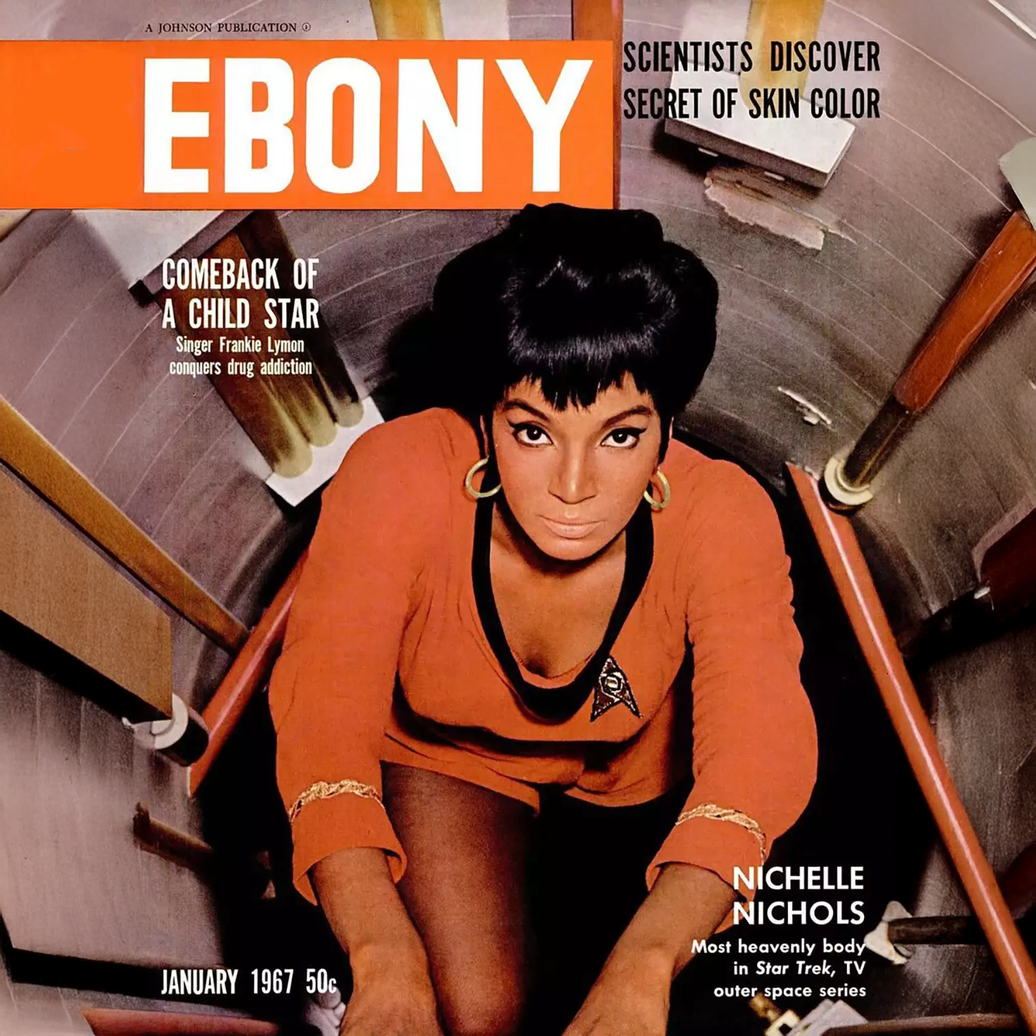
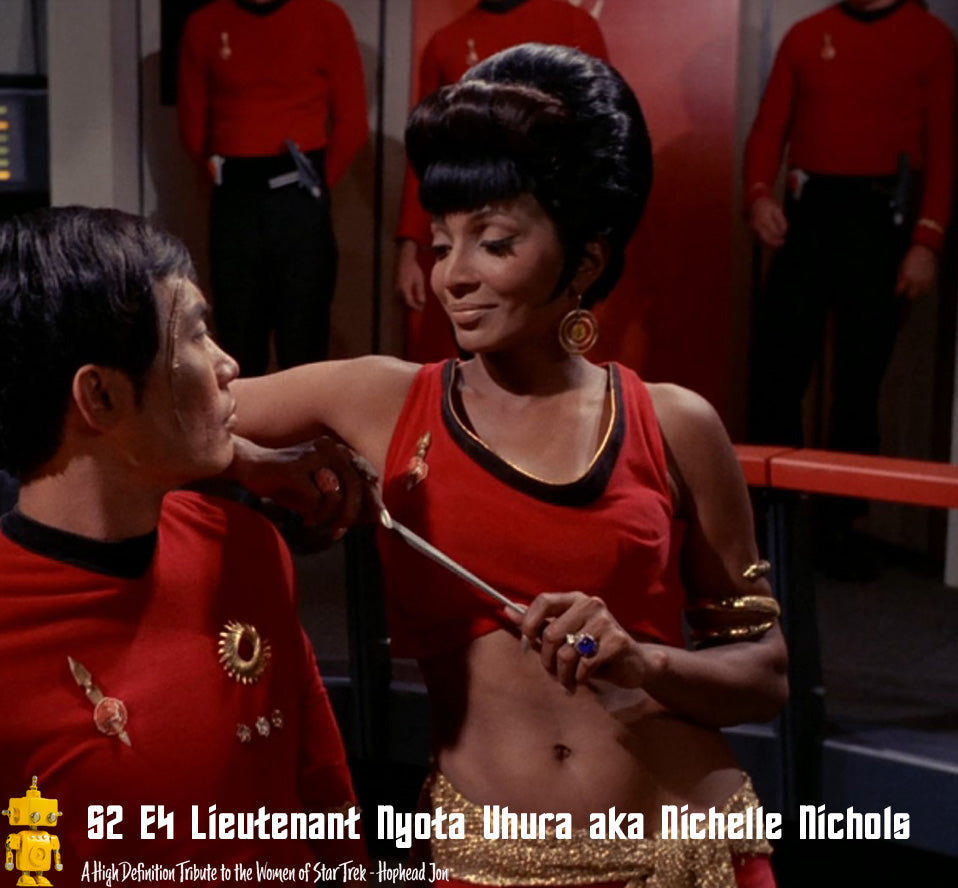
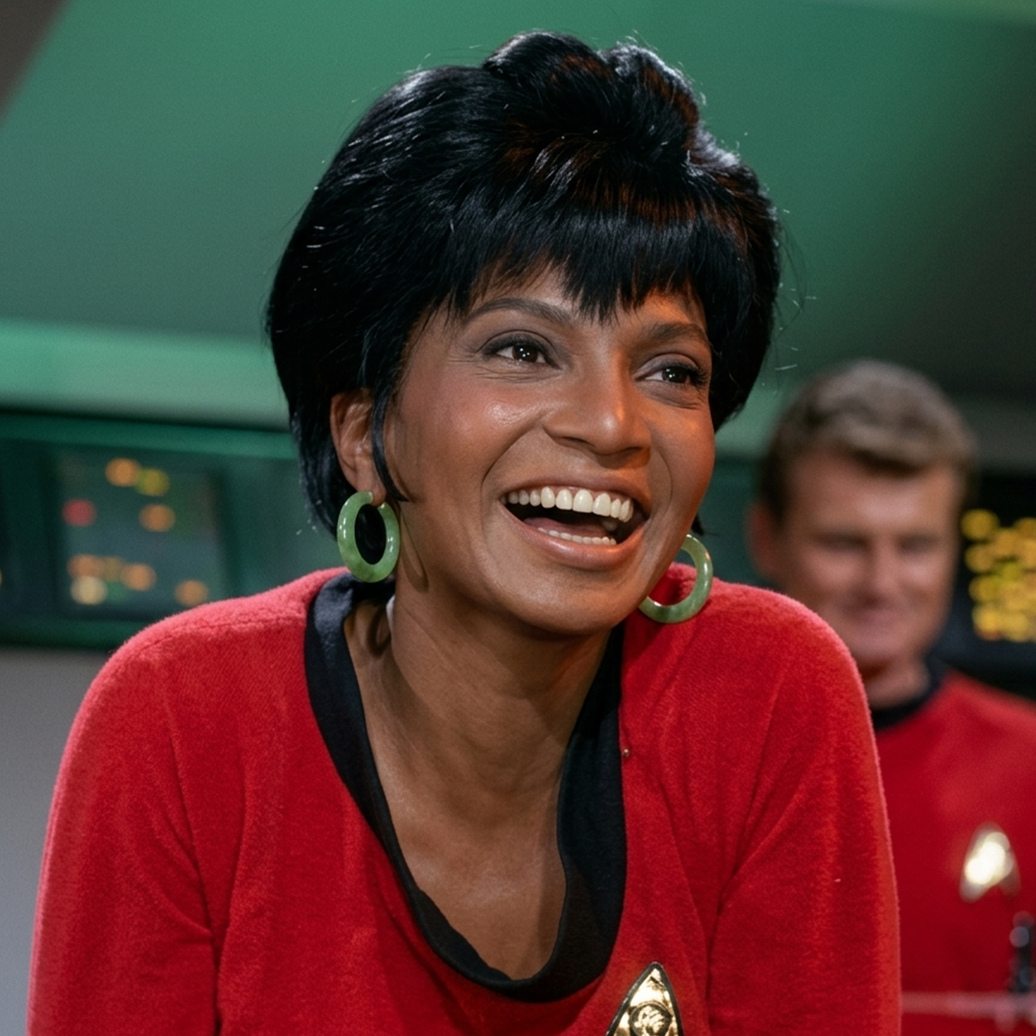
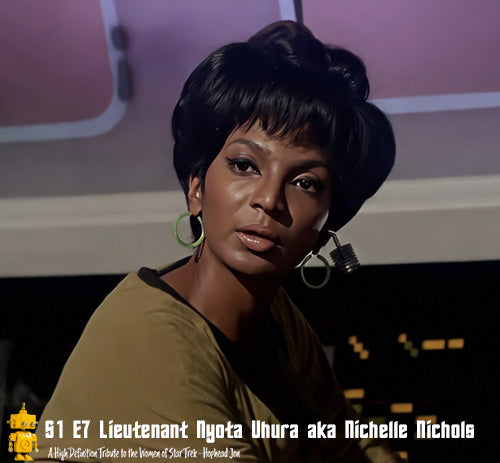
3. The Commander: Nyota Uhura
-
Actress: Nichelle Nichols
-
Key Episodes: "Mirror, Mirror" / "The Lorelei Signal" (TAS)
-
The Impact: Uhura was a revolution. In "Mirror, Mirror," we saw her tactical lethality; in the animated "The Lorelei Signal," she finally took the center seat as Acting Captain. Nichols didn’t just play a character; she carried the weight of Dr. Martin Luther King Jr.’s vision for a truly equal future.
4. The Price of Paradise: Tula
-
Actress: Xenia Gratsos (Brioni Farrell)
-
Episode: "The Return of the Archons"
-
The Impact: Tula’s story is a chilling warning against totalitarian "utopias." Her loss of individuality to the collective "Body" of Landru serves as the emotional heart of the episode, reminding us that there is no true peace without autonomy.
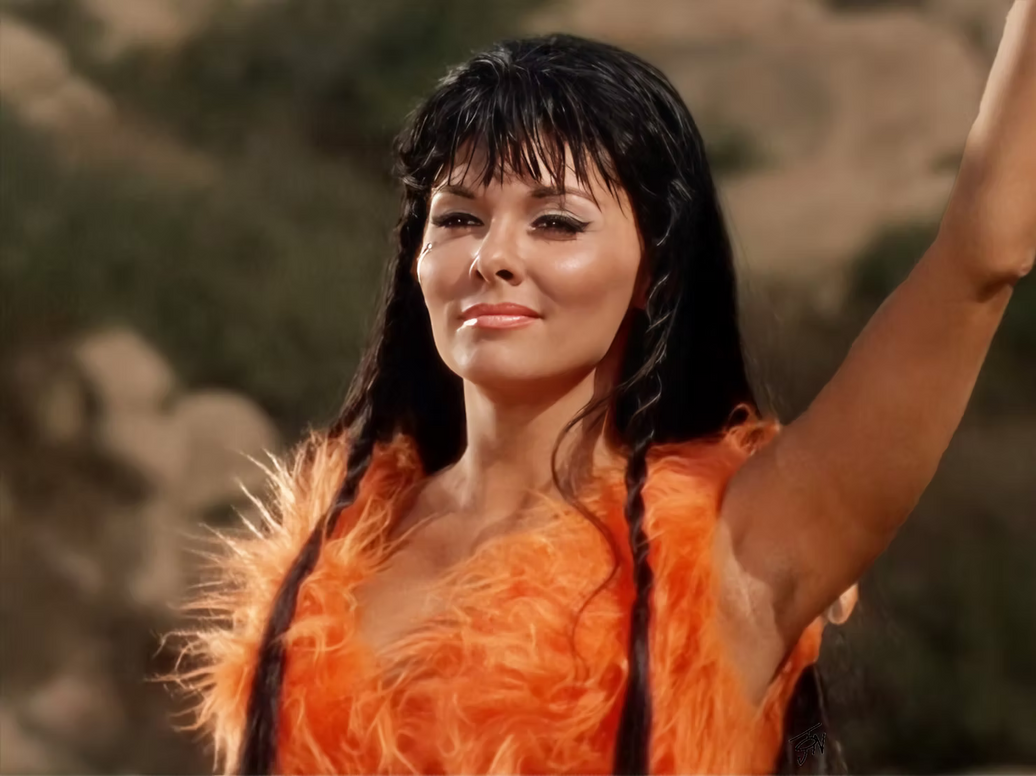
5. The Tragic Survivor: Miramanee
-
Actress: Sabrina Scharf
-
Episode: "The Paradise Syndrome"
-
The Impact: As the High Priestess who married an amnesiac Kirk, Miramanee offered the Captain something Starfleet never could: a quiet, grounded life. Her tragic end remains one of the few times the show acknowledged the weight of Kirk's personal losses.
6. The Ghost in the Machine: Losira
-
Actress: Lee Meriwether
-
Episode: "That Which Survives"
-
The Impact: Played with a haunting, robotic grace by the legendary Lee Meriwether, Losira was a lethal echo of a dead civilization. She challenged the crew’s survival instincts while serving as a tragic metaphor for a legacy that outlives its creators.
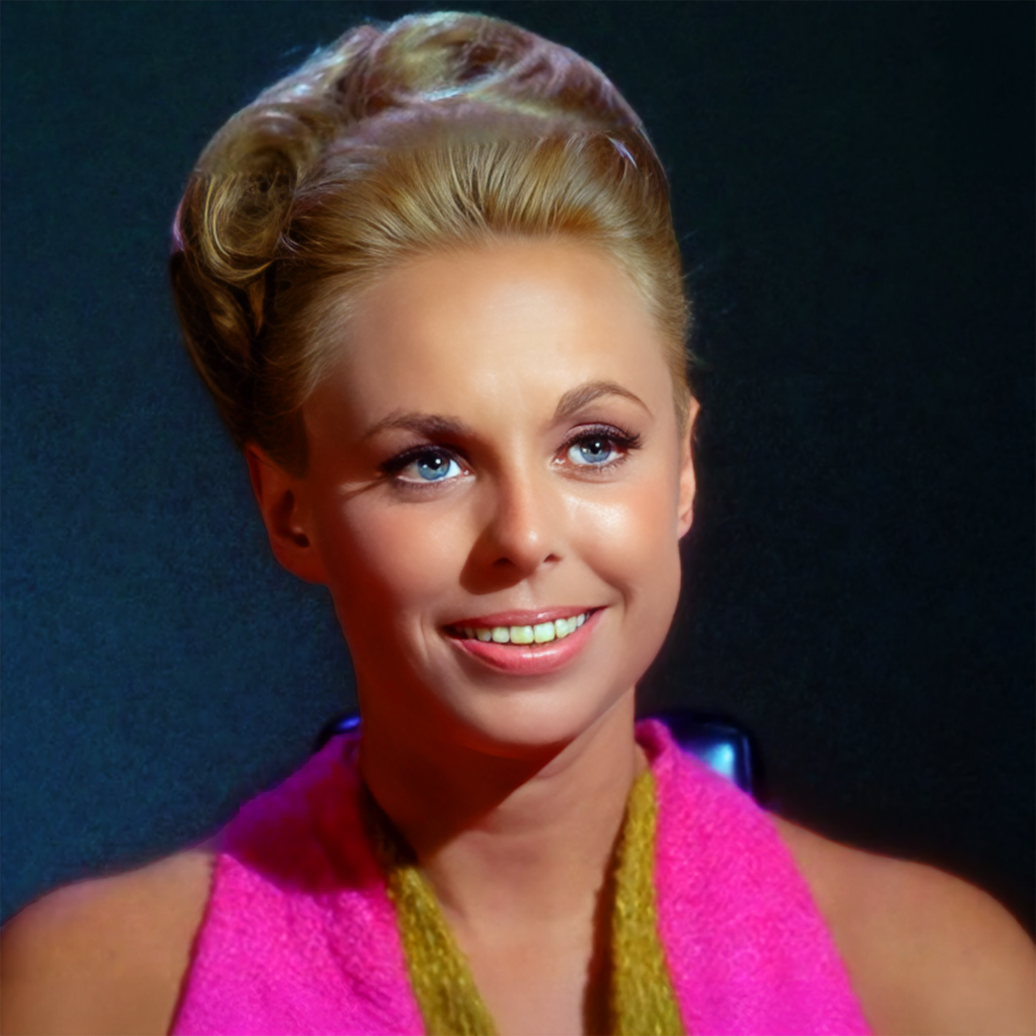
7. The Diplomat’s Sacrifice: Nancy Hedford
-
Actress: Elinor Donahue
-
Episode: "Metamorphosis"
-
The Impact: A bitter, dying commissioner who finds a second life by merging with an energy entity. Hedford’s journey from a life of duty to a life of love remains one of the most poetic explorations of transhumanism in the series.
8. The First Antagonist: The "Salt Vampire" (M-113 Creature)
-
Performer: Sandra Lee Gimpel
-
Episode: "The Man Trap"
-
The Impact: The very first alien the world ever saw in Star Trek. Beneath the shaggy fur was stunt pioneer Sandra Lee Gimpel. The creature wasn't evil; it was an endangered species driven to desperation, setting the tone for Trek’s complex view of "monsters."
9. The Spoiled Sovereign: Elaan of Troyius
-
Actress: France Nuyen
-
Episode: "Elaan of Troyius"
-
The Impact: In a sci-fi retelling of The Taming of the Shrew, Elaan proved that she was more than just her biochemical tears. Her eventual sacrifice of her own happiness for the sake of galactic peace showed the growth of a true leader.
10. The Everyman: Yeoman Mears
-
Actress: Phyllis Douglas
-
Episode: "The Galileo Seven"
-
The Impact: In a high-pressure survival scenario, Mears was the steady hand. While the "Redshirts" succumbed to panic, she remained a disciplined observer, representing the resilience of the Starfleet rank-and-file.
Closing Thoughts
These women were more than guest stars; they were the architects of the Star Trek ethos. They challenged Kirk’s logic, Spock’s stoicism, and our own 1960s-era prejudices. Decades later, their performances still resonate, proving that the future was always meant to be built by everyone.



Leave a comment