Monchhichi Japanese Plush Dolls, Keychains & Accessories

Monchhichi Japanese Plush Dolls, Keychains & Accessories

Explore our curated collection of genuine Sekiguchi Monchhichi plush dolls, keychains, vinyl figures, and accessories. Complete your collection with classic retro favorites and rare sets.
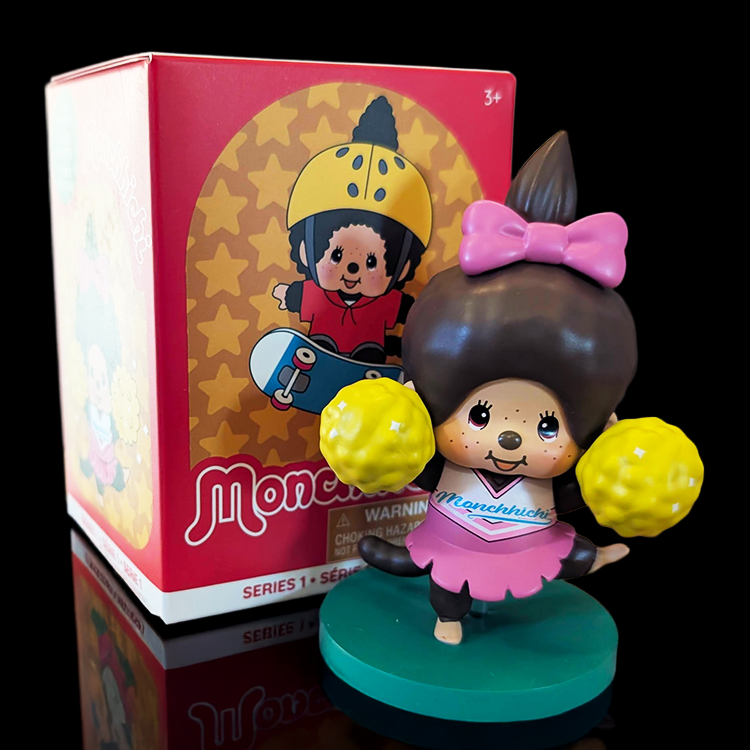
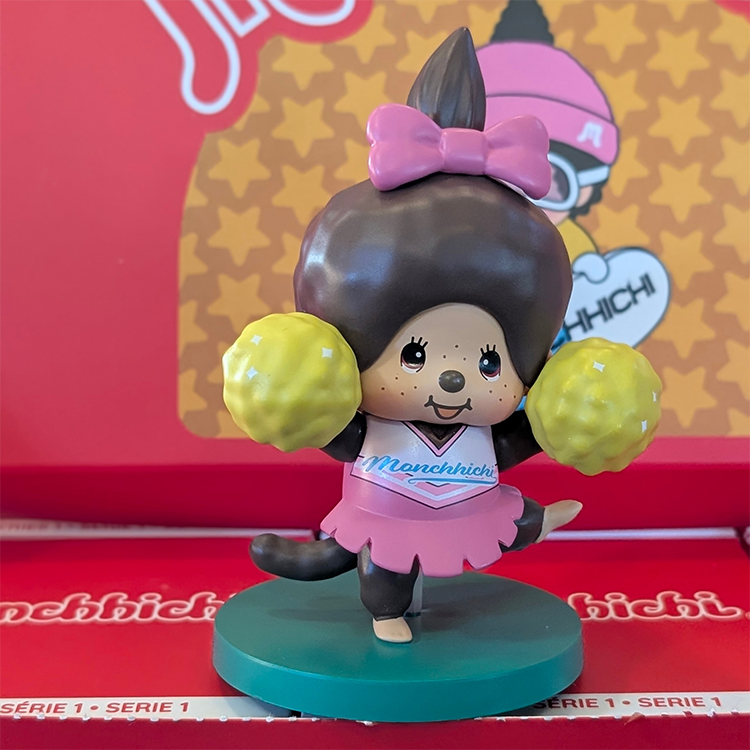
Explore our curated collection of genuine Sekiguchi Monchhichi plush dolls, keychains, vinyl figures, and accessories. Complete your collection with classic retro favorites and rare sets.

Vendor: Sekiguchi

8" Hello Kitty Collab - White Cat Monchhichi

Regular price $37.73
Sale price: $37.73 Regular price:
Notify Me
Vendor: Sekiguchi

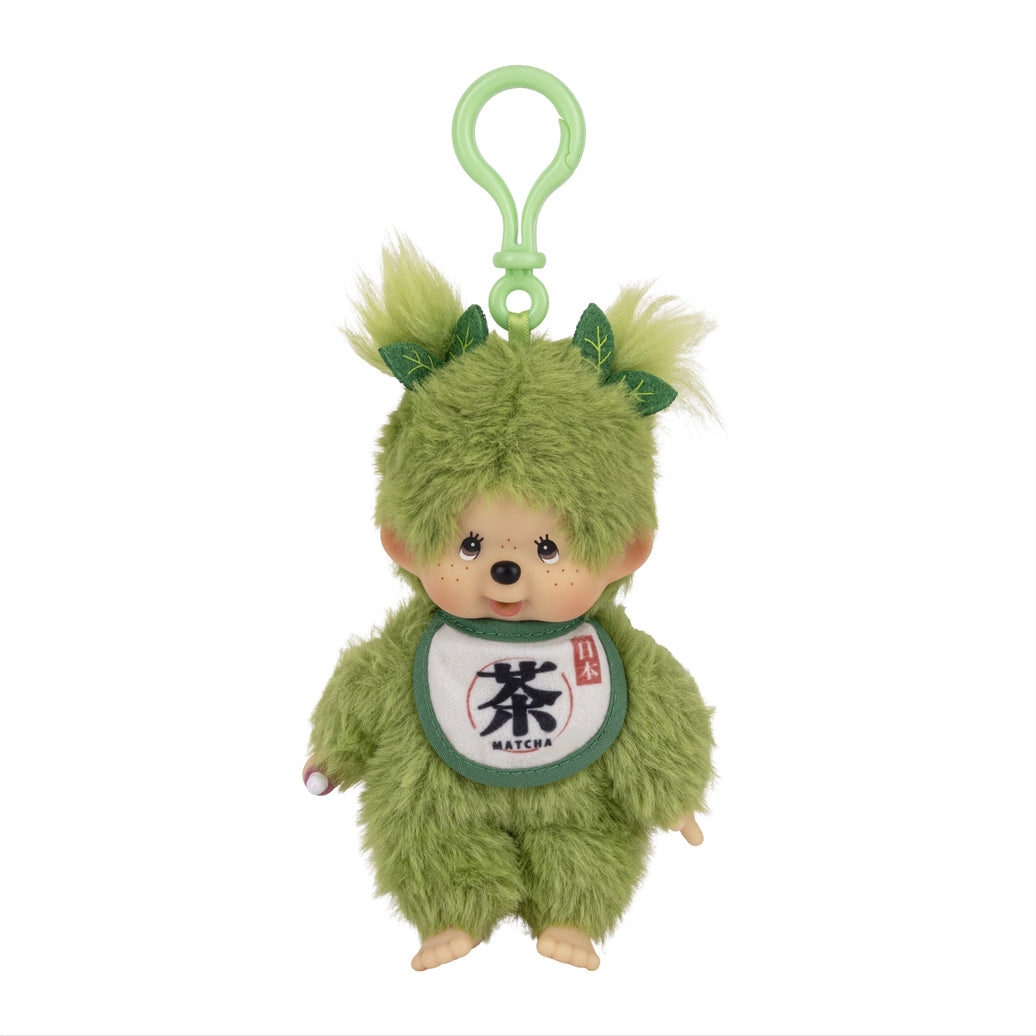
4" Monchhichi Keychain - TamuTamu Raccoon Dog in Green Bib

Regular price $22.73
Sale price: $22.73 Regular price:
Notify Me
Vendor: Sekiguchi

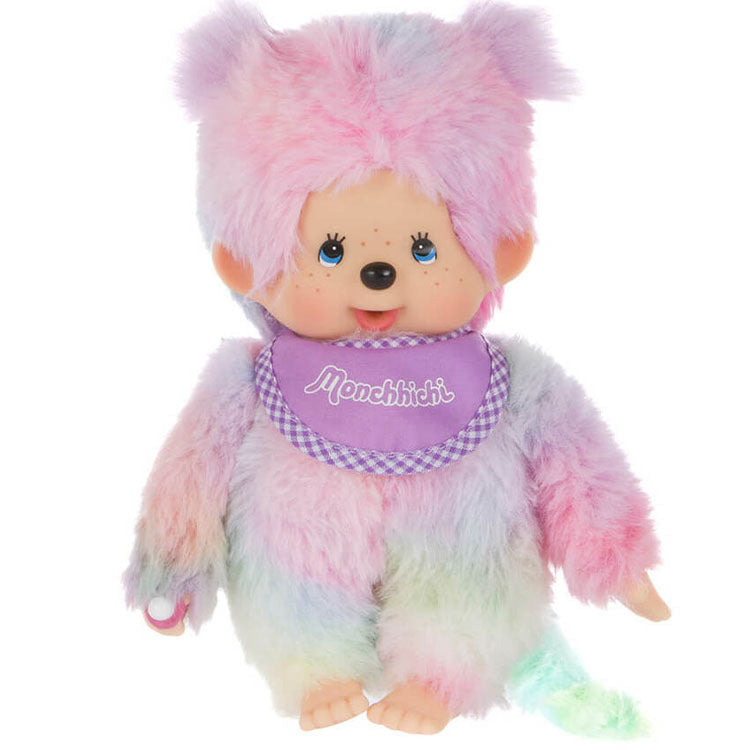
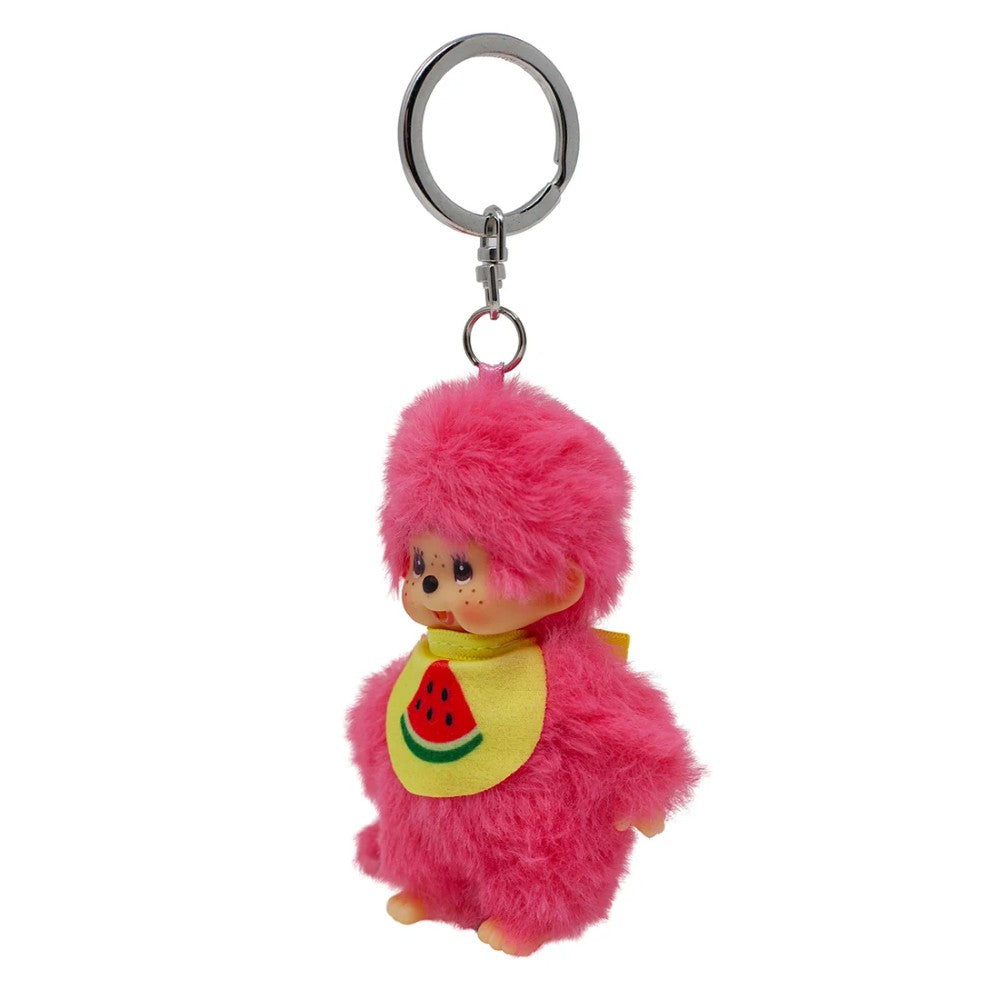
8" Monchhichi Pink Girl - Fluffy Fur in Pink Bib with Pigtail & Blue Eyes

Regular price $39.73
Sale price: $39.73 Regular price:
Notify Me
Vendor: Sekiguchi

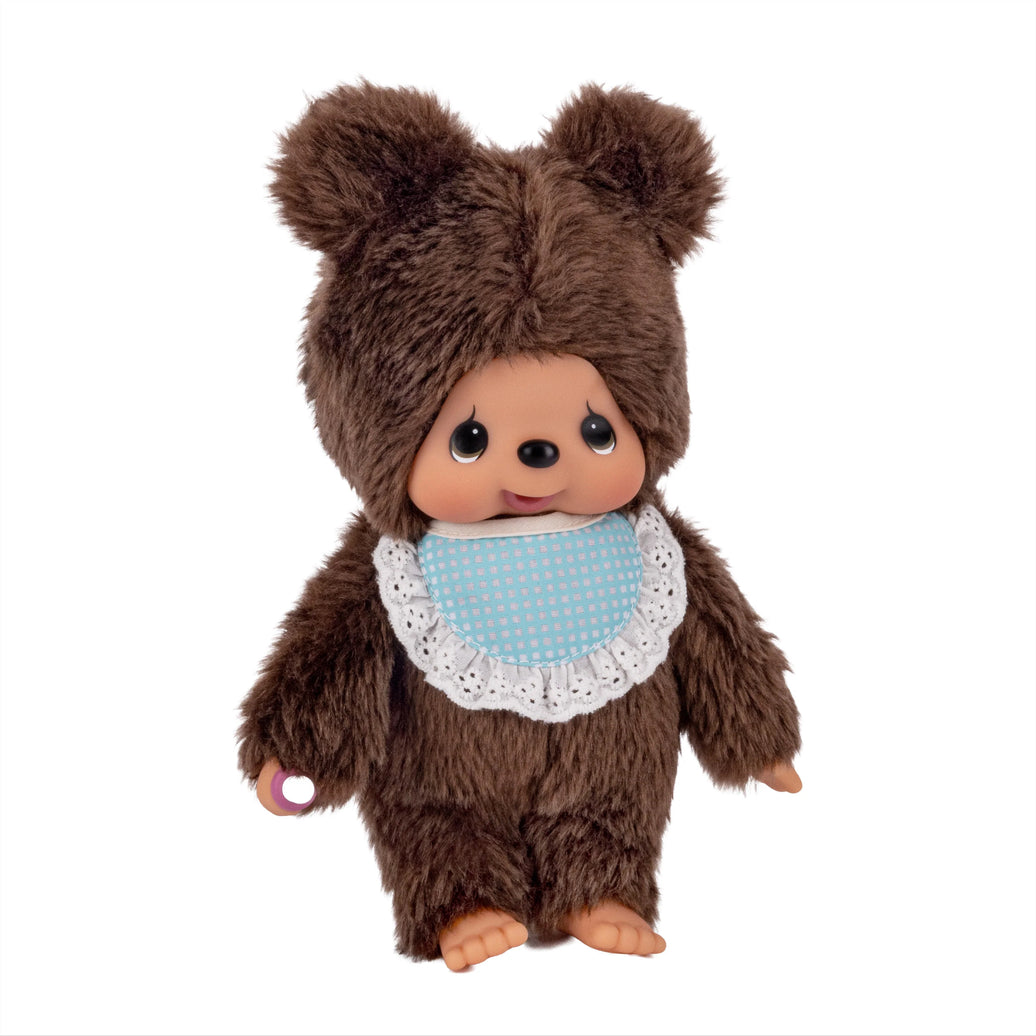
8" Monchhichi Brown Girl - Mother Care in Purple Jumper with Baby

Regular price $37.73
Sale price: $37.73 Regular price:
Notify Me
Vendor: Sekiguchi

5.5" Monchhichi Keychain - Sitting Boy in Horse Costume

Regular price $24.73
Sale price: $24.73 Regular price:
Monchhichi Dolls: A Global Cultural Phenomenon

Monchhichi Dolls: A Global Cultural Phenomenon

The Complete Monchhichi History and Collector's Guide

From 1974 Origins to Modern Day Collectibles

Read more

The question “why are Monchhichi so expensive” has puzzled toy enthusiasts and potential collectors for years. These thumb-sucking monkey dolls, originally created in 1974 by Japanese company Sekiguchi, now command prices ranging from $50 for newer releases to several hundred dollars for vintage pieces. The answer lies in a perfect combination of historical significance, superior craftsmanship, and an increasingly passionate collector market that has transformed these kawaii icons into serious investment pieces.

The Foundation of Value: Quality and Heritage

The original monchhichi doll from 1974 established a standard of quality that continues to drive pricing today. Unlike mass-produced toys, these dolls featured premium mohair, durable internal mechanisms, and hand-finished details that simply aren’t economically feasible in modern production. Vintage monchhichi doll pieces from the 1970s and 1980s used superior materials that have proven their longevity over nearly five decades.

The cultural impact cannot be understated. These dolls became symbols of Japanese kawaii culture and were among the first Japanese toys to achieve global recognition. This cultural significance adds layers of value beyond mere nostalgia – collectors are preserving pieces of toy history and cross-cultural exchange.

Collectability Factors Driving Market Demand

Several unique factors make monchhichi dolls especially valuable in today’s market. Rarity plays the most significant role, as finding an authentic piece in mint condition becomes increasingly difficult. Limited production runs and regional exclusives have created artificial scarcity that drives up demand among international collectors.

The condition grading system used by serious collectors dramatically impacts pricing. A doll with original tags, packaging, and no signs of wear can sell for ten times more than a played-with example. This creates a tiered market where collectors can enter at different price points depending on their standards and budget.

Authentication has become increasingly important as the market has grown. Original Sekiguchi labels, specific construction details, and provenance documentation all factor into valuation. This expertise barrier means that knowledgeable sellers and authenticated pieces command higher prices.

Current Market Trends and Investment Potential

Recent sales data shows that common vintage pieces from the 1980s typically sell for $75-150, while rare 1970s examples in excellent condition can reach $300-500. Special editions and extremely rare variants have sold for over $1,000 at auction. The collectibles market has seen significant growth, with vintage toys performing particularly well as alternative investments.

Social media has played a crucial role in driving awareness and demand. Instagram and TikTok collectors showcase their finds, creating interest among younger generations and expanding the collector base beyond original fans. The Japanese pop culture boom has also contributed to increased interest, as anime, manga, and kawaii culture have gained mainstream acceptance worldwide.

Making Informed Collecting Decisions

For those looking to enter this collecting space, working with established sellers ensures authenticity and fair market pricing. Trusted retailers like Gofigment specialize in authentic pieces and provide the authentication services that serious collectors require when making significant investments.

Whether driven by nostalgia, investment potential, or appreciation for quality craftsmanship, understanding these pricing factors helps collectors make informed decisions in the exciting world of Monchhichi collecting. The high prices reflect genuine value – historical significance, superior materials, cultural importance, and passionate collector demand that shows no signs of diminishing.

Read More in our in-depth Article: Why Are Monchhichi Doll Prices So High?

Emotional Design and Enduring Appeal

When someone asks “What exactly is a Monchhichi?” they’re really asking about one of the most successful examples of emotional design in toy history. These aren’t just dolls – they’re carefully crafted companions that have been bringing comfort and joy to people around the world since their creation in 1974. To truly understand what makes a Monchhichi special, we need to look beyond the surface and explore the thoughtful design, cultural significance, and enduring appeal that has kept these dolls relevant for nearly five decades.

At its core, a Monchhichi is a plush doll that represents a baby monkey, but this simple description barely scratches the surface of what makes these toys so remarkable. The genius of Monchhichi lies in its ability to trigger deep emotional responses through carefully designed visual and tactile elements that appeal to our most basic nurturing instincts.

The Visionary Creation of Koichi Sekiguchi

The story of Monchhichi begins with a man who understood that the best toys aren’t just entertaining – they’re emotionally meaningful. Koichi Sekiguchi, founder of the Sekiguchi Corporation, spent considerable time in the early 1970s studying what made certain toys more appealing than others. His research led him to a fascinating conclusion: the most beloved toys were those that somehow reminded people of babies or young animals, triggering protective and nurturing instincts.

Sekiguchi’s breakthrough came when he decided to combine the appeal of human babies with the playful charm of young monkeys. This wasn’t a random choice – monkeys share many facial features with human infants, including large eyes relative to face size, rounded cheeks, and expressive features. By emphasizing these similarities while adding distinctly monkey-like elements such as fur and a tail, Sekiguchi created something entirely new in the toy world.

The development process took nearly two years, with Sekiguchi and his team testing different materials, proportions, and facial expressions. The final design that emerged in 1974 represented a perfect balance of cute and comforting, playful and peaceful. Most importantly, it possessed that indefinable quality that made people want to pick it up and hold it close.

Read More About What Exactly A Monchhichi Is

Whether you’re caring for a cherished childhood Monchhichi from the 1970s or a modern addition to your collection, these care instructions will help maintain your doll’s appearance and value. The key principles remain consistent across generations: gentle cleaning, proper storage, protection from environmental damage, and regular maintenance.

By following these guidelines, your Monchhichi dolls can continue bringing joy for many years to come, potentially even becoming treasured heirlooms to pass down to future generations of collectors.

Read More On How To Care For Your Monchhichi

The Monchhichi characters have a rich history that spans nearly five decades, beginning with the original dolls created by the Japanese company Sekiguchi in 1974. These early dolls featured a simple yet charming design with their signature thumb-sucking pose, soft plush bodies, and plastic faces. Their universal appeal and high-quality craftsmanship laid the foundation for a beloved toy line that invited children to create their own stories and adventures.

In the 1980s, Monchhichi expanded beyond toys with an American animated TV series that introduced distinct personalities and storylines for the characters. This series brought to life figures like Moncho, Thumkii, and Wizzar, along with the antagonistic Grumplins, enriching the Monchhichi universe and deepening emotional connections with fans. The vintage appeal of these characters continues to attract collectors who cherish the nostalgia and storytelling of that era.

The brand evolved further with the 2017 French CGI series, which introduced a modern take on the characters focused on protecting children’s dreams. The “Shock Trio” and the antagonist Aikor brought fresh dynamics and psychological depth to the stories, demonstrating Monchhichi’s ability to adapt to contemporary storytelling and animation techniques while preserving its core charm.

Today, the Monchhichi Friends Assortment expands the universe with diverse animal characters beyond the original monkeys, such as Bebichhichi, Kuma, Chamu, and Chimutan. These additions maintain Sekiguchi’s craftsmanship and offer collectors new ways to enjoy and invest in the brand. Whether drawn to the original designs, nostalgic TV characters, modern CGI personalities, or the Friends Assortment, Monchhichi continues to captivate fans with its creativity, quality, and timeless appeal.

Read More About All The Different Monchhichi Characters