

Why Are Monchhichi Doll Prices So High?
The Complete Collector’s Guide
The Historical Significance Behind Monchhichi Doll Pricing
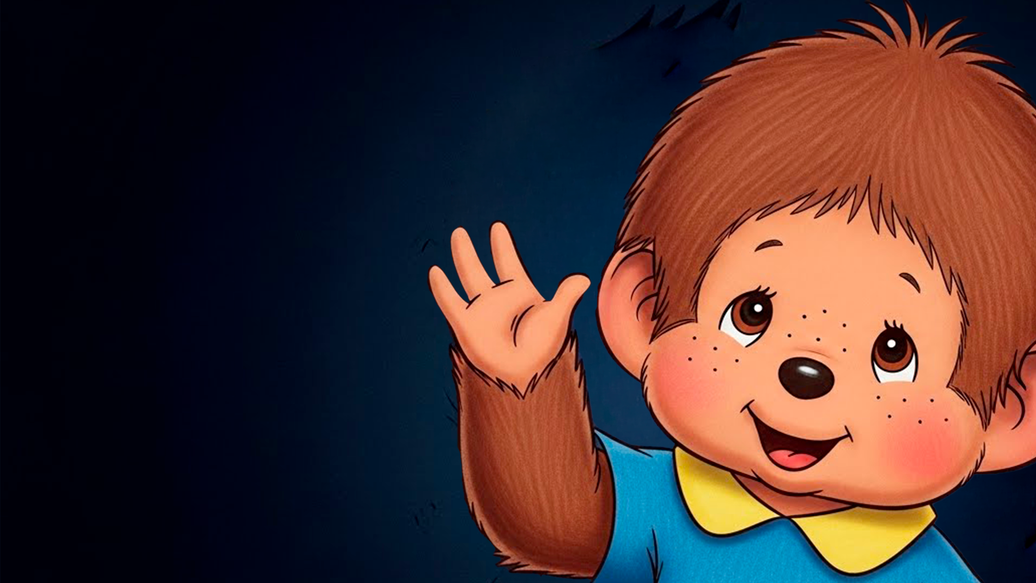
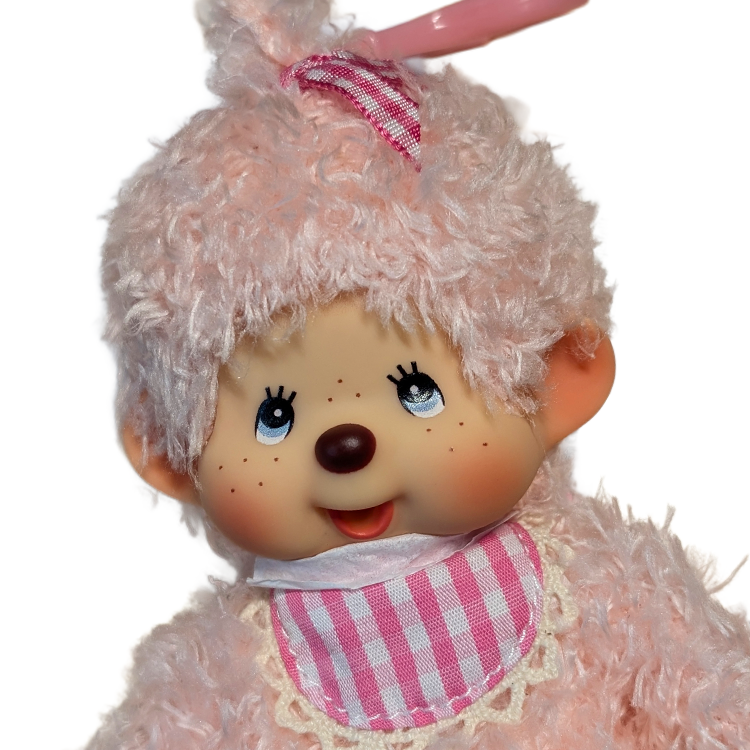
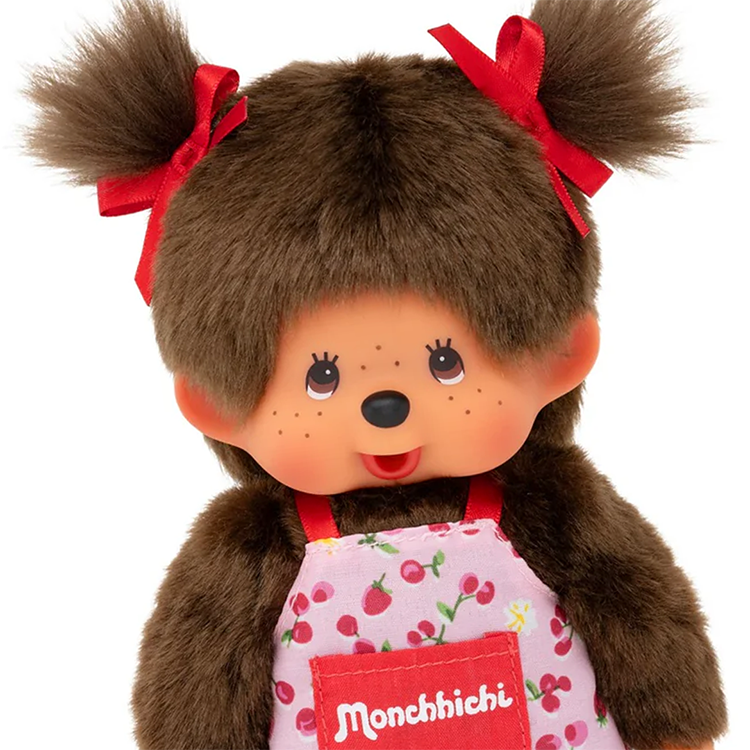
The Monchhichi doll market has experienced unprecedented growth in recent years, but to understand current pricing, we need to look back to where it all began. The original Monchhichi doll 1974 release marked the beginning of a cultural phenomenon that would span decades and continents. Created by Japanese company Sekiguchi, these dolls weren’t just toys – they were carefully crafted collectibles with attention to detail that set them apart from mass-produced alternatives.
The Monchhichi doll 1974 design has remained largely unchanged, adding to its appeal among collectors who value authenticity and tradition. This consistency means that vintage pieces from the 1970s share the same beloved characteristics as modern releases, creating a seamless collecting experience across generations. However, it’s precisely this unchanged design that makes original pieces so valuable – they represent the pure, unaltered vision of the creators.
What makes the vintage Monchhichi doll market particularly interesting is the quality of materials used in early production runs. The 1970s and 1980s versions featured premium mohair, more durable internal mechanisms, and hand-finished details that simply aren’t economically feasible in today’s mass production environment. A genuine vintage Monchhichi doll from the 1970s can command hundreds of dollars specifically because of these superior materials and construction methods.
The cultural impact cannot be understated either. These dolls became symbols of Japanese kawaii culture and were among the first Japanese toys to achieve global recognition. This cultural significance adds layers of value beyond mere nostalgia – collectors are preserving pieces of toy history and cross-cultural exchange.
Understanding the Collectability Factors Driving High Prices
The vintage Monchhichi doll market reflects broader collectible toy trends, but several unique factors make these particular dolls especially valuable. Rarity plays the most significant role in pricing. Finding an authentic Monchhichi doll 1974 in mint condition is extremely rare, as most were loved, played with, and showed their age over nearly five decades.
Limited production runs and regional exclusives have created artificial scarcity that drives up demand. Certain outfits, accessories, and special edition releases were only available in specific markets or for limited time periods. Japanese domestic market exclusives, for instance, command premium prices among international collectors who had no access to these pieces during their original release.
The condition grading system used by serious collectors also impacts pricing dramatically. A Monchhichi doll with original tags, packaging, and no signs of wear can sell for ten times more than a played-with example. This creates a tiered market where collectors can enter at different price points depending on their standards and budget.
Authentication has become increasingly important as the market has grown. Collectors specifically seek out vintage Monchhichi doll pieces for their rarity, but they need to verify authenticity to justify premium prices. Original Sekiguchi labels, specific construction details, and provenance documentation all factor into valuation. This expertise barrier means that knowledgeable sellers and authenticated pieces command higher prices.
The emotional connection factor cannot be ignored either. Many adult collectors are recapturing childhood memories, and they’re willing to pay premium prices for that emotional satisfaction. This psychological element adds value beyond the physical object itself.
Current Market Trends and Investment Potential
Understanding what makes a Monchhichi doll valuable requires looking at several key factors that have emerged in recent years. The collectibles market has seen significant growth, with vintage toys performing particularly well as alternative investments. Monchhichi dolls have benefited from this broader trend while maintaining their own unique market dynamics.
Social media has played a crucial role in driving awareness and demand. Instagram and TikTok collectors showcase their finds, creating FOMO (fear of missing out) among potential buyers. This visibility has introduced younger generations to these classic toys, expanding the collector base beyond original fans from the 1970s and 1980s.
The Japanese pop culture boom has also contributed to increased interest. As anime, manga, and kawaii culture have gained mainstream acceptance worldwide, associated collectibles like Monchhichi have seen corresponding price increases. International shipping and global marketplaces have made it easier for collectors worldwide to compete for the same rare pieces, driving up prices through increased competition.
Many people wonder how much are Monchhichi dolls worth in today’s market, and the answer varies significantly based on age, condition, and rarity. Recent sales data shows that common vintage pieces from the 1980s typically sell for $75-150, while rare 1970s examples in excellent condition can reach $300-500. Special editions and extremely rare variants have sold for over $1,000 at auction.
The investment potential has attracted speculators alongside genuine collectors. Some buyers purchase multiple pieces hoping for appreciation, which further reduces available supply and drives up prices. This speculation element adds volatility to the market but generally supports higher price levels.
Multiple Perspectives on Monchhichi Doll Pricing
From a manufacturer’s perspective, the high prices reflect the quality and craftsmanship that goes into each piece. Modern Sekiguchi dolls still maintain high production standards, using quality materials and traditional construction methods that justify premium pricing compared to mass-market alternatives.
Retailers like Gofigment understand that customers are paying for authenticity and trust. When collectors invest significant money in vintage pieces, they need confidence that they’re getting genuine articles. Established sellers build reputations for authentication and fair pricing, which allows them to command market rates for quality pieces.
Long-term collectors view the pricing differently than newcomers. Veteran collectors who purchased pieces decades ago for $20-30 have watched their collections appreciate dramatically. For them, current prices represent validation of their collecting instincts and provide options for portfolio management through selective selling.
The Monchhichi dolls from the 80s represent a sweet spot for many collectors – old enough to have vintage appeal but not so rare as to be unattainable. These pieces often provide the best balance of nostalgia, quality, and reasonable pricing for collectors who want authentic vintage pieces without breaking the bank.
International collectors face additional challenges with shipping costs, import duties, and currency fluctuations that can add 20-30% to purchase prices. This creates regional price variations and opportunities for arbitrage that sophisticated collectors exploit.
Frequently Asked Questions About Monchhichi Doll Pricing
Why do vintage Monchhichi dolls cost more than new ones?
Vintage pieces feature superior materials, limited availability, and historical significance that new productions cannot replicate. The vintage Monchhichi doll market values these factors highly.
How can I tell if a Monchhichi doll is authentic?
Look for original Sekiguchi labels, quality construction details, and proper proportions. Authentic pieces have specific characteristics that experienced collectors can identify.
Are Monchhichi dolls a good investment?
While past performance shows appreciation, collectibles should be purchased primarily for enjoyment. The question of how much are Monchhichi dolls worth depends on market conditions and individual piece characteristics.
Where should I buy authentic Monchhichi dolls?
Trusted sellers like Gofigment specialize in authentic pieces and provide authentication services. When considering where to buy Monchhichi, reputation and expertise matter more than lowest price.
What factors most influence Monchhichi doll prices?
Age, condition, rarity, and authenticity are the primary drivers. Original packaging and documentation significantly increase value.
Conclusion: Understanding Value in the Monchhichi Market
The high prices of Monchhichi dolls reflect a combination of historical significance, superior craftsmanship, genuine scarcity, and passionate collector demand. Every serious Monchhichi doll collector knows that authenticity drives price, and the market has matured to reward quality and provenance appropriately.
For those looking to enter this collecting space, working with established sellers ensures you’re getting authentic pieces at fair market prices. Gofigment’s expertise in the Monchhichi market provides collectors with the confidence they need when making significant investments in these beloved collectibles.
Whether you’re driven by nostalgia, investment potential, or simple appreciation for quality craftsmanship, understanding these pricing factors helps you make informed decisions in the exciting world of Monchhichi collecting.


Leave a comment