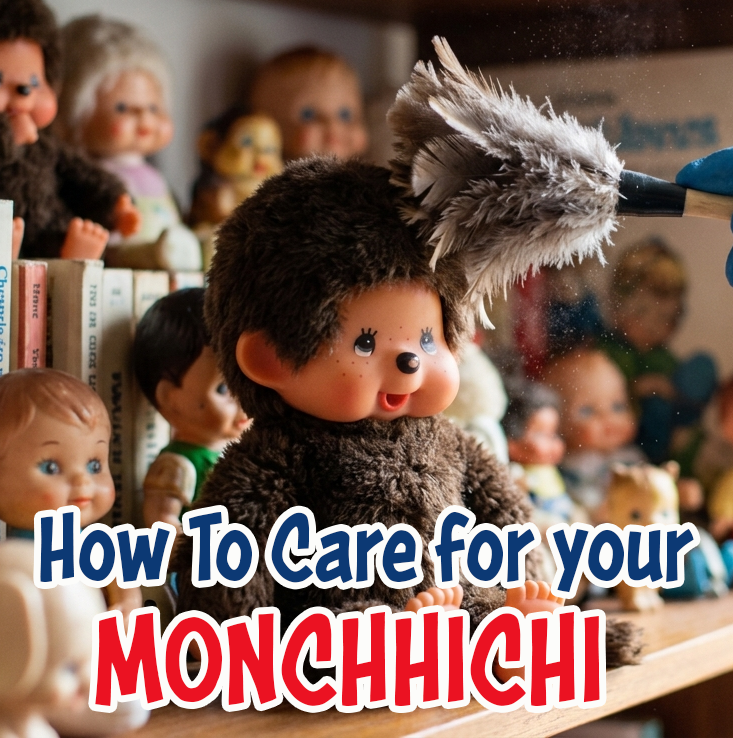
The Ultimate Monchhichi Care & Restoration Guide: Vintage and Modern Generations
Introduction
In 1974, the Sekiguchi Corporation of Tokyo, Japan, introduced a pair of blue-eyed, thumb-sucking monkey dolls that would quickly capture hearts worldwide: Monchhichi (モンチッチ). Melding a soft, plush body with a expressive molded plastic face, hands, and feet, Monchhichis bridged the gap between traditional teddy bears and vinyl dolls.

Whether you are a seasoned archivist preserving a rare 1970s "Mademoiselle Monchhichi," or a modern enthusiast caring for a contemporary release, proper maintenance is vital. Because these dolls fuse synthetic fur, delicate paints, and various generations of vinyl and plastic, they require highly specialized care. This comprehensive guide outlines the best community-tested and archival-grade practices to preserve your Monchhichi collection for decades to come.
Anatomy of a Monchhichi: Understanding the Materials
Before attempting any cleaning or restoration, it is critical to understand what your doll is made of. A standard Monchhichi features a complex combination of materials that react differently to moisture, heat, and chemicals:
-
The Plush Body: Historically made of synthetic acrylic or polyester faux fur.
-
The Vinyl Elements: The head, hands, and feet are molded from polyvinyl chloride (PVC). Vintage models feature a harder vinyl, while modern iterations are often slightly more pliable.
-
The Internal Armature/Stuffing: Vintage dolls are packed with standard polyester fiberfill, sometimes accompanied by internal plastic wiring for basic posing or internal noise-makers (like squeakers).
-
The Signature Feature: The molded thumb (or a molded banana/pacifier accessory) designed to fit perfectly into the mouth cavity.
Core Maintenance & Environmental Controls
Prevention is the highest form of preservation. Museum-quality environmental controls will prevent your Monchhichis from degrading, fading, or developing the dreaded "sticky vinyl disease."
1. Temperature and Humidity

Plastics and synthetic fibers degrade rapidly under unstable conditions.
-
Temperature: Maintain a climate-controlled environment between 65°F and 75°F (18°C–24°C). Excessive heat softens vinyl, accelerates chemical off-gassing, and can cause the internal adhesives to seep through the fur.
-
Humidity: Keep relative humidity (RH) strictly between 45% and 55%. If the environment is too dry, vintage vinyl can become brittle and crack. If it is too damp, you risk mold and mildew growth inside the polyester stuffing, which is incredibly difficult to eradicate.
2. Light Exposure
-
UV Protection: Ultraviolet light is the archenemy of Monchhichi dolls. It bleaches the vibrant brown fur to a dull orange, yellows the white bibs, and permanently fades the delicate pink blush and freckles on the doll's face. Keep displays away from windows, or apply UV-blocking film to your display cases.
3. Handling Etiquette

-
Always wash and dry your hands thoroughly before handling your collection to avoid transferring skin oils, which attract dust and degrade vinyl over time. For ultra-rare or mint-condition vintage pieces, consider wearing undyed 100% cotton gloves.
Vintage Monchhichi Care & Restoration (Pre-2000)
Vintage Monchhichis require extreme caution. Over several decades, the plasticizers (chemicals that keep vinyl soft) can migrate to the surface, making the doll sticky, while the original thread holding the seams together may have become brittle.
The "Deep Refresh" Restoration Process
If you have acquired a vintage Monchhichi that is heavily soiled, matted, or losing its structural integrity, a full breakdown and restoration may be necessary. Below is a community-vetted, step-by-step restoration pipeline:
-
Step 1: Deconstruction & Unstuffing
Locate the original closure seam (usually along the back or the bottom of the torso). Using a seam ripper, carefully open a 2-to-3-inch gap. Gently remove all the old, compressed polyester stuffing. Tip: Check for internal squeakers or rusted wires and set them aside.
-
Step 2: Bathing the Skin and Fur
Submerge the empty plush skin and attached vinyl parts in lukewarm water mixed with a few drops of mild, dye-free dish soap (like original blue Dawn) or a gentle baby shampoo. Gently massage the fur to release decades of dust. Avoid harsh laundry detergents, which can strip the synthetic fibers of their luster. Rinse thoroughly with cold water.
-
Step 3: Conditioning the Faux Fur
To restore that signature cloud-like softness, apply a tiny amount of diluted, high-quality fabric softener or a drop of human hair conditioner to the wet fur. Work it through the fibers, then rinse completely.
-
Step 4: The Drying Phase
Gently roll the plush skin in a clean, dry towel to absorb excess water—never wring or twist the doll. Allow the skin to air-dry completely in a well-ventilated room out of direct sunlight. Never use a clothes dryer or a hot hair dryer; excessive heat will instantly melt or frizz synthetic acrylic fur.
-
Step 5: Fur Therapy (Detangling)
Once completely dry, the fur may look flat. Use a fine-toothed metal comb or a small pet slicker brush. Gently brush the fur outward from the root. Do this slowly to avoid pulling chunks of fiber out of the fabric backing.
-
Step 6: Facial Touch-Ups
Vintage Monchhichis often suffer from paint loss on the nose, lips, and freckles.
-
Clean the vinyl face with rubbing alcohol to remove oils.
-
Use high-grade acrylic model paint (such as Tamiya or Vallejo).
-
Thin the paint slightly with water or acrylic thinner, and apply it in thin, multiple layers using an ultra-fine detail brush (size 00 or 000).
-
Seal your work with a matte or satin acrylic varnish to prevent future chipping.
-
-
Step 7: Premium Re-stuffing & Weighted Base
Stuff the doll with fresh, high-loft 100% polyester fiberfill, ensuring you pack the limbs evenly. To give your vintage Monchhichi a premium, satisfying weight and allow it to sit upright more easily, pour polypropylene plastic pellets into a small, secure fabric pouch. Place this weighted pouch in the belly area before sewing the doll closed.
-
Step 8: Reassembly
Using a matching heavy-duty polyester thread, close the back seam using a ladder stitch (invisible stitch) to hide the thread entirely.
Modern Monchhichi Care (Post-2000)
Modern Monchhichis are more resilient than their vintage counterparts, but they still require a disciplined maintenance routine to stay display-ready.
Daily & Weekly Upkeep

-
The Dusting Routine: Dust acts as an abrasive and can settle deep into the mesh backing of the fur. Use a clean, soft-bristled makeup brush or a specialized static-duster weekly to clear the face and fur.
-
Spot Cleaning: If your doll accumulates a small smudge, avoid a full bath. Dip a microfiber cloth into warm water with a trace of baby shampoo and gently dab the area.
Wardrobe & Accessory Maintenance
-
Many modern Monchhichis feature elaborate, removable outfits. Always remove clothing before cleaning the doll to prevent dye transfer from the clothes onto the doll’s fur or vinyl body.
-
Hand-wash outfits in cold water with a gentle lingerie detergent. Lay them flat on a towel, reshaping them by hand while damp to ensure they do not shrink or warp.
Advanced Cleaning Techniques for Stubborn Stains
When simple soap and water fail, collectors turn to targeted treatments for difficult blemishes.
1. Treating Plastic and Vinyl Parts
-
Scuffs and Marks: A Melamine foam pad (Magic Eraser) is highly effective at erasing surface scuffs from Monchhichi hands and feet. Use a incredibly light touch, as aggressive rubbing can buff away the factory matte finish of the vinyl or erase the painted details.
-
Deep Ink/Stain Removal: For stubborn ink or marker stains on the vinyl, some collectors utilize a 10% benzoyl peroxide acne cream treatment. Apply a small amount to the stain, cover it in plastic wrap to prevent drying, and place it under a warm lamp or sunlight for a few hours.
-
Collector’s Note on Safety: While effective, use benzoyl peroxide with caution on vintage dolls. Some toy archivists warn that it can continue to chemically react over decades, potentially causing localized bleaching or vinyl degradation later in the doll's lifespan.
-
2. Treating Matting and Odors
-
Leave-In Conditioner Spray: If a Monchhichi’s fur is frizzy or plagued by static, mix a teaspoon of leave-in human hair conditioner with water in a spray bottle. Lightly mist the doll from a distance and comb through.
-
Eliminating Odors (Smoke/Mustiness): If a vintage find smells musty, never spray it with chemical fabric fresheners. Instead, place the doll inside a breathable paper bag or an open container alongside an open box of baking soda or a bag of activated charcoal pellets. Seal the container (without letting the charcoal touch the doll) for 4–7 days. The charcoal will naturally absorb the trapped odors.
Archival Storage and Display Strategies
How you house your collection dictates its lifespan. Avoid common pitfalls by implementing professional archival standards.
Storage Don'ts
-
Never store Monchhichis in airtight plastic bins or Ziploc bags. Vinyl needs to "breathe." Airtight environments trap migrating plasticizers, resulting in a sticky, chemically degraded film on the doll's face that is incredibly difficult to clean.
-
Avoid cardboard boxes that are not explicitly rated as "acid-free." Standard cardboard contains lignin, which turns acidic over time, yellowing fabrics and degrading synthetics.
Storage Do's
-
Wrap your dolls in acid-free tissue paper and place them in breathable canvas storage bags or archival-grade acid-free boxes.
-
If displaying on shelves, utilize acrylic display cases featuring UV-protection layers. Ensure the dolls are not crammed tightly together, which can permanently deform the plush shape or squash the fur.
Collector Documentation and Valuation Protection
If you view your Monchhichi collection as an investment, meticulous record-keeping is vital:
-
The Logbook: Maintain a digital spreadsheet detailing each doll's acquisition date, purchase price, country of origin, estimated year of manufacture, and any tags/markings (e.g., the iconic Sekiguchi tag on the left hip).
-
Condition Mapping: Take high-resolution photographs of your dolls from multiple angles annually. This allows you to monitor for subtle signs of aging, such as fading paint, shifting vinyl colors, or structural sagging.
-
Keep the Ephemera: Original boxes, hangtags, and promotional bibs often carry more than half the value of a vintage Monchhichi. Store these separately in protective, PVC-free plastic sleeves.
Conclusion
From their humble beginnings in Tokyo to their status as global pop-culture icons, Monchhichi dolls represent a beautiful era of toy design. By respecting the balance between their plush bodies and vinyl features—and utilizing gentle, chemical-conscious cleaning practices—you ensure your collection remains vibrant. Whether they sit proudly in a UV-protected display case or are lovingly passed down to the next generation, your Monchhichis will remain as soft, charming, and comforting as the day they were made.