The Complete Guide to Monchhichi Characters
From Original 1974 Dolls to Modern Friends Assortment

Monchhichi characters have evolved over five decades from simple plush toys to a diverse collectible universe. Learning all the Monchhichi names helps collectors identify and authenticate vintage pieces across different generations. The complete lineup of Monchhichi characters spans multiple eras and includes over 20 distinct personalities, each with unique features and backstories.
Original Monchhichi (1974)

Original Boy - The first Monchhichi, featuring brown fur and red bib with the iconic thumb-sucking pose

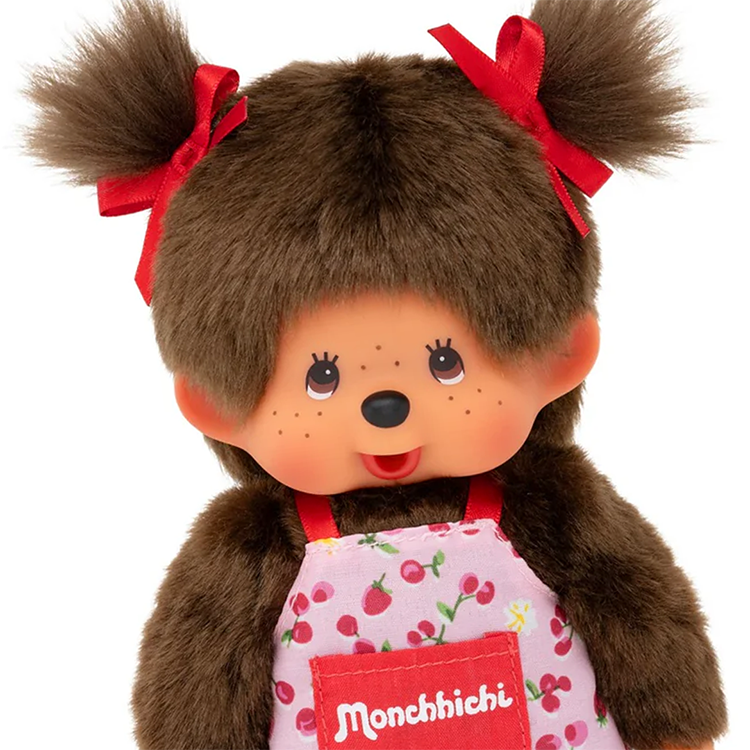
Original Girl - Released alongside Boy, wearing a pink floral bib and matching brown fur
1980s American TV Series Characters (1983)
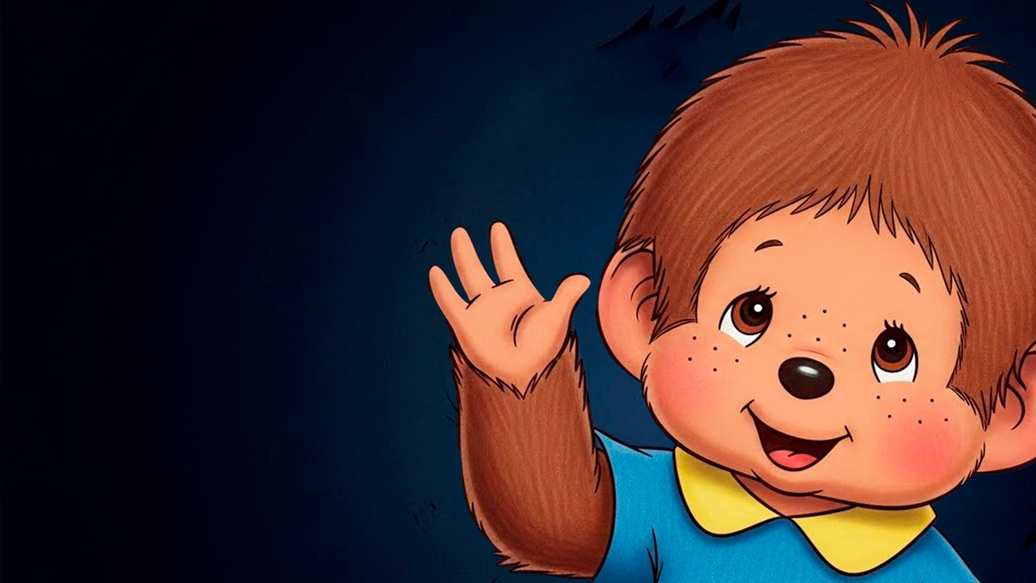
The 1983 American animated television series transformed Monchhichi from simple toys into fully realized characters with distinct personalities and adventures. Running for 13 episodes, it introduced a generation of children to the magical world of Monchia.

Moncho - Brave, caring natural leader of the group

Thumkii - Playful comic relief character known for humor

Tootoo - Gentle, empathetic heart of the team

Patchit - Adventurous spirit always ready for exploration

Kyla - Brings feminine perspective and emotional intelligence

Wizzar - Wise wizard representing magic and guidance
The 1983 American animated television series transformed Monchhichi from simple toys into fully realized characters with distinct personalities and adventures. This era gave us some of the most memorable Monchhichi names and personalities that collectors still cherish today.
The show ran for 13 episodes and introduced a generation of children to the magical world of Monchia.
Moncho served as a natural leader, demonstrating courage and compassion in every episode. Thumkii provided comic relief with his playful antics, while Tootoo was gentle and empathetic, often serving as the emotional heart of the group. Patchit brought an adventurous spirit, Kyla provided feminine perspective and emotional intelligence, and Wizzar represented wisdom and magic.
The Grumplins, led by Horrg, were the antagonists who created compelling conflicts that enriched the storytelling. The TV series significantly boosted Monchhichi's popularity in North America, leading to increased toy sales and cementing these characters in pop culture history.
Modern Monchhichi: The 2017 French CGI Series
The 2017 French CGI series showcased Monchhichi's evolution with a focus on protecting children's dreams, bringing the franchise into the modern era with updated animation techniques while maintaining the core values that made the original characters beloved.
The "Shock Trio" of Hanae, Willow, and Kauri brought diverse personalities and collaborative problem-solving to the forefront. Hanae emerged as a resourceful leader, Willow brought technical skills and analytical thinking, while Kauri added creativity and emotional intelligence to the team dynamic.
The CGI animation allowed for more expressive character movements and detailed environments. Aikor, the antagonist, presented sophisticated challenges that helped characters grow, adding psychological depth to the stories.
Monchhichi Friends Assortment
Beyond the classic twin monkeys, the Monchhichi universe expanded into a full woodland world filled with whimsical animal friends. Introduced by Sekiguchi to complement the original duo, these companion characters bring their own distinct personalities and pastel aesthetic to the lineup.
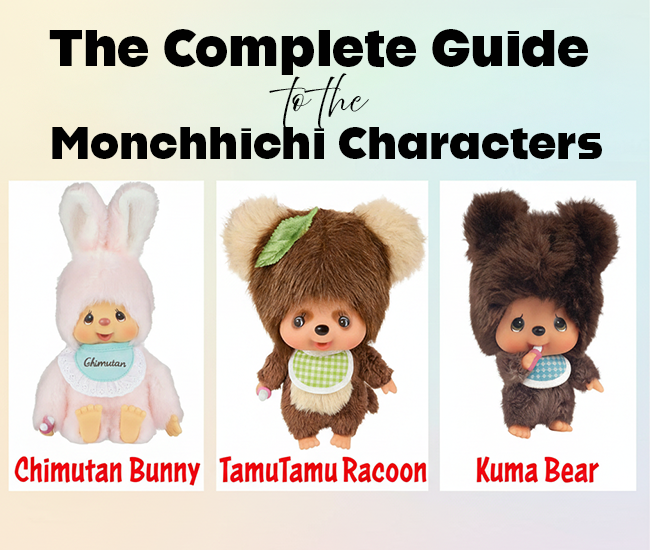
Kuma Bear is the lovable brown bear cub from the "Monchhichi Friends" collection by Sekiguchi, celebrated for his warm and cheerful personality. He is easily identified by his soft, fuzzy brown fur and his signature blue gingham bib.
Chamu Sheep is a gentle sheep character recognized for her soft, cloud-like white fur and sweet, droopy eyes. Wearing a delicate pink gingham bib, Chamu brings a whimsical, pastoral aesthetic to the Monchhichi universe.
Tamutamu (or Tamu) is the charming raccoon dog (tanuki) character. He is instantly recognizable by his fluffy brown and cream fur, distinctive dark eye mask markings, and bushy tail. Tanuki are traditionally associated with good fortune in Japanese culture, adding depth to his appeal.
Chimutan Bunny is beloved for her soft pastel fur and long, floppy ears. Often dressed in a frilly or floral bib, she remains a centerpiece of the Friends assortment and a staple of Japanese kawaii culture.


Bebichhichi Sakura
Cherry blossom themed pink baby doll

Kuma Bear
Brown bear with blue gingham bib

Chamu Sheep
White sheep with cloud-like fur

Tamu Tamu
Raccoon with mask markings & leafy accessory

Chimutan Bunny
Bunny with floppy ears and pastel pink fur
Bebichhichi: The Baby Monchhichi Collection
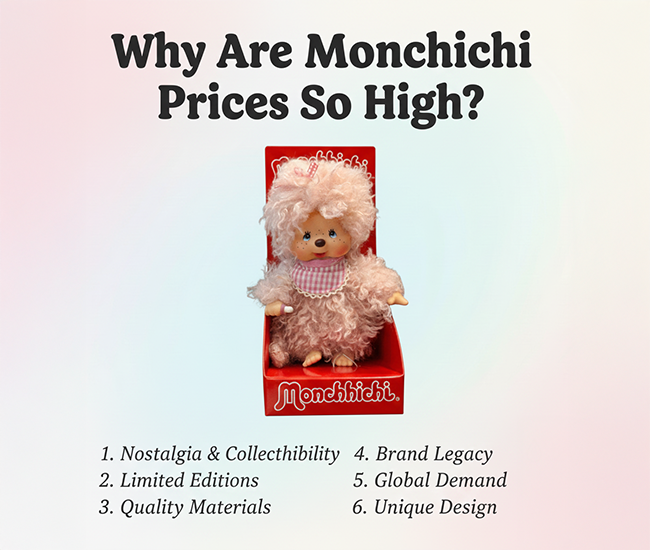
Introduced for the brand's 30th anniversary, Bebichhichi represents the infant version of Monchhichi. Unlike the classic thumb-sucking pose, Bebichhichi features a removable pacifier to emphasize its baby design. Seasonal variations like Bebichhichi Sakura feature pastel-pink fur and cherry blossom accents.

Explore our Bebichhichi Collection to discover both classic and limited-edition releases.
New Addition: Horse Costume Monchhichi

The latest addition features an adorable horse costume design available as a collectible keychain mascot. Shop the Horse Costume Monchhichi keychain to add this unique piece to your plush lineup!
What Does Monchhichi Mean? The Story Behind the Name
The name "Monchhichi" (モンチッチ) is a playful Japanese portmanteau:
- "Mon" (もん): In Japanese baby talk, "mon" conveys cuteness and softness.
- "Chichi" (ちち): Represents nurturing, comfort, and maternal care.
Combined, "Monchhichi" evokes the feeling of being cuddled and cared for. The name sounds soft and comforting when spoken—a deliberate choice by Sekiguchi to ensure the brand felt as warm as the plush dolls themselves.
The Original Monchhichi Doll: Where It All Began in 1974

Is Monchhichi a Monkey?
Yes, the original Monchhichi are monkeys. Many collectors ask "is Monchhichi a monkey" when first discovering these beloved Japanese plush toys. The original 1974 Monchhichi characters created by Sekiguchi are monkey dolls, though the name "Monchhichi" comes from Japanese wordplay rather than directly meaning "monkey." The Monchhichi Friends Assortment later expanded the universe beyond monkeys to include bears, sheep, raccoons, and bunnies, but the classic characters remain true to their simian roots.
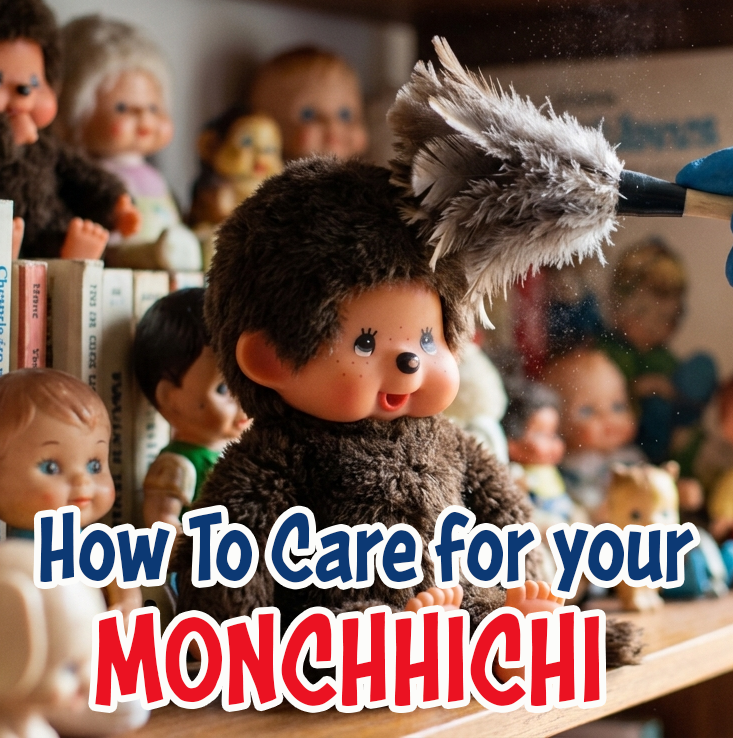
The original Monchhichi doll from 1974 featured simple brown fur and the iconic thumb-sucking pose that would become the brand's signature. Created by Japanese company Sekiguchi, these first characters were elegantly uncomplicated - just a boy and a girl monkey without specific names or elaborate backstories. This simplicity was intentional, allowing children to project their own stories and emotions onto the dolls.
Each authentic Monchhichi doll from this era featured the distinctive thumb-sucking pose that became instantly recognizable worldwide. The soft, plush bodies combined with plastic faces created a unique tactile experience that set them apart from other toys of the time.
The craftsmanship reflected traditional Japanese attention to detail, with every stitch and facial expression carefully considered to create comforting and engaging characters. Collectors prize the original Monchhichi doll for its historical significance and nostalgic appeal.
What made these original characters special was their universal appeal. Without specific names or predetermined personalities, children around the world could relate to them regardless of cultural background.
Collectors seeking authentic Monchhichi characters should understand the different eras and variations available. Original 1974 pieces typically feature specific tag designs, stitching patterns, and material qualities that distinguish them from later productions. Shop authentic Monchhichi reproductions to experience the craftsmanship that defined an era.
How to Spot a Counterfeit Listing
While buying directly from authorized retailers like goFigment guarantees you will always receive 100% authentic Sekiguchi products, navigating third-party marketplaces can be tricky. Counterfeits and bootlegs are common on platforms like eBay, Mercari, TikTok Shop, AliExpress, and Amazon third-party storefronts.
Before hitting "Buy Now," use this guide to identify possible counterfeit listings and avoid online scams:
1. The "Stock Photo" Trap
The Red Flag: The seller relies exclusively on pristine, studio-rendered stock images stolen from official Sekiguchi releases or promotional Japanese catalogs.
What to Look For: Reputable sellers and authentic collectors will include original photos of the physical item in real lighting. Always look for images that show the actual box, the tag up close, and the back of the plush.
Pro-Tip: If a listing only features studio graphics, request a clear photo of the actual doll next to a handwritten note showing the seller's name and today’s date.
2. Suspicious Pricing & "Bulk Wholesale" Offers
The Red Flag: A listing offers a brand-new, boxed, or highly sought-after character for $5 to $12.
The Reality: Authentic Sekiguchi plush dolls generally retail between $25 and $50+ depending on size and collection, while vintage or rare Friends Assortment characters command higher prices. If the price seems "too good to be true," it almost certainly is.
Bulk Packs: Steer clear of listings offering multi-packs of "random assortment" Monchhichis at pennies on the dollar—these are almost always unauthorized factory bootlegs.
3. Vague Titles & Avoidance of "Sekiguchi"
Keyword Stuffing: Counterfeiters often avoid using trademarked brand names to dodge automated copyright takedowns. Be wary of generic listing titles like:
"Cute Monkey Plush Doll Kawaii Thumb Sucking Toy"
"Retro Japanese Style Monkey Bag Charm"
"Mengqiqi Keychain Doll"
Brand Field Discrepancies: Check the Item Specifics or Brand field on platforms like eBay or Amazon. If it reads "Unbranded," "Generic," or "Other" rather than Sekiguchi, move on.
4. Seller Location & Store Profile
Red-Flag Accounts: Exercise extreme caution with brand-new seller accounts, storefronts shipping from overseas with minimal feedback, or sellers with reviews complaining about "poor quality" or "fake items."
Irrelevant Inventory: Legitimate plush collectors and specialty toy shops usually carry curated inventory. Stores selling random mixes of cheap electronics, phone cases, and unbranded toys are often drop-shipping bootlegs.
5. Unlicensed "Blind Box" & "Surprise" Listings
Unlicensed Mystery Items: Unless an item is an officially licensed Blind Box collaboration clearly marked and packaged by Sekiguchi, beware of cheap vinyl "surprise box" figures sold on social media shops. Most use hard plastic limbs, low-grade paint, and lack official licensing labels.
The Safe Shopping Checklist: When shopping outside of authorized dealers like goFigment, always check for three things: real photos of the physical item, explicit mention of "Sekiguchi" in the brand field, and a price that reflects authentic market value.
Frequently Asked Questions
What are Monchhichi characters?
They are collectible plush dolls created by Sekiguchi in 1974 featuring a soft fur body, vinyl head, and signature thumb-sucking pose.
How many Monchhichi characters exist?
There are over 20 distinct named characters across different eras, including original dolls, 1980s TV personalities, 2017 CGI leads, and the animal Friends Assortment.
How can I tell if my Monchhichi is authentic?
Look for official Sekiguchi tags, dense plush fur, clean face painting, and an accurate thumb-to-mouth fit. Always purchase from authorized retailers like goFigment.